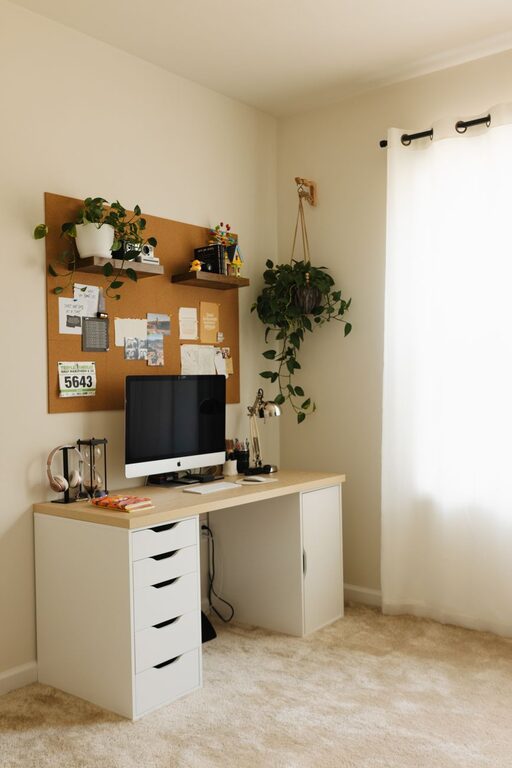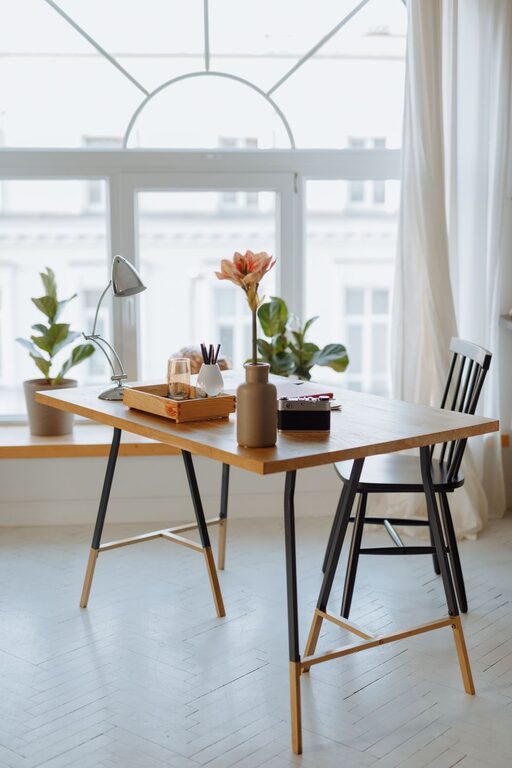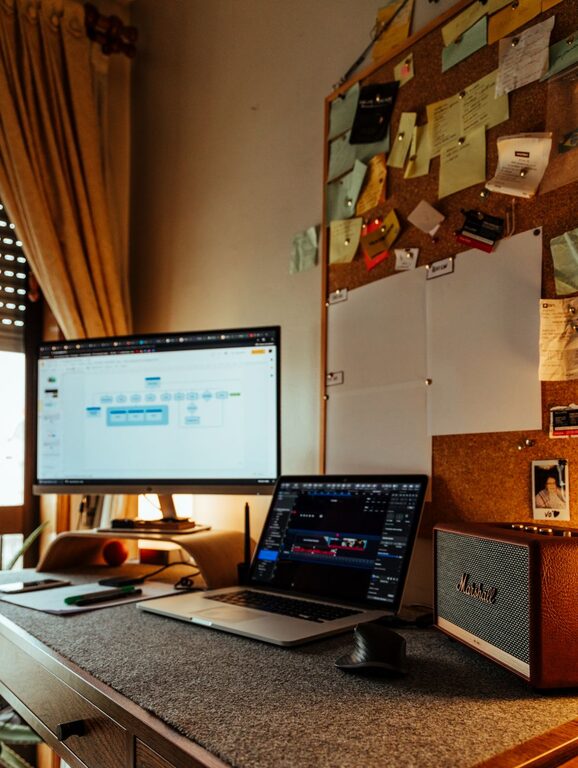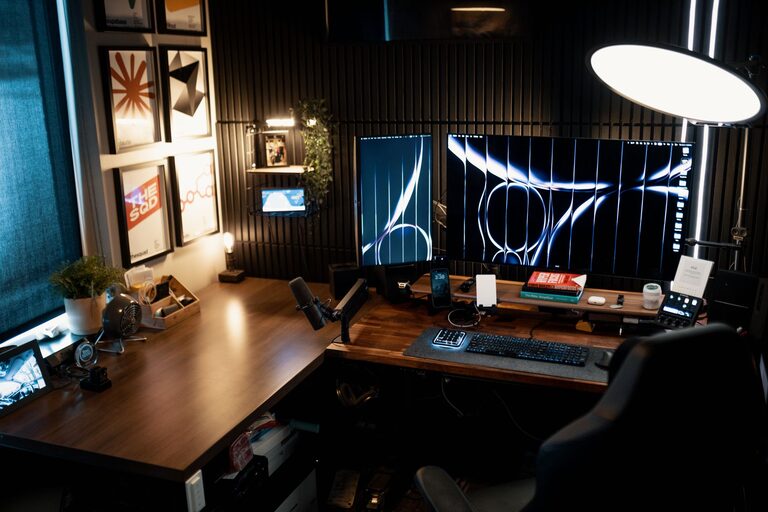
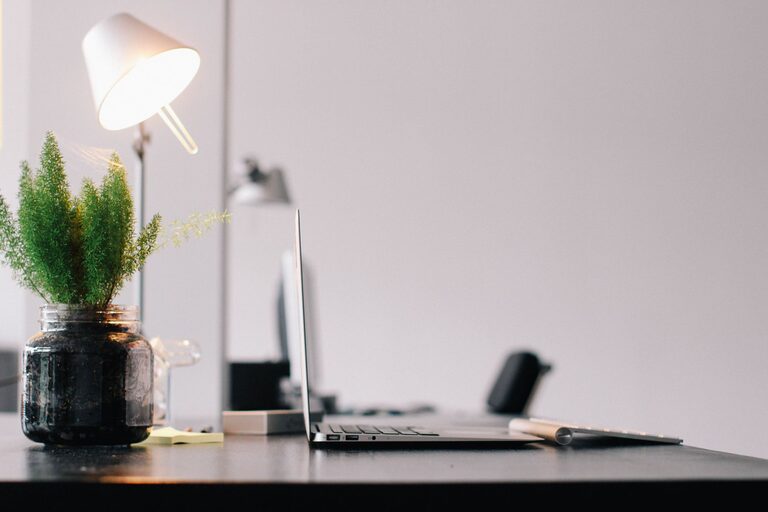
Creating a productive home office space is essential for anyone working from home or managing tasks remotely. A well-designed workspace can improve focus, reduce distractions, and enhance your overall work experience. Whether you have a dedicated room or just a small corner, these tips will help you set up a home office that supports your productivity and comfort.
Choose the Right Location
Selecting the best spot for your home office is the first step toward creating an effective work environment.
– Quiet and Private: Look for an area with minimal noise and foot traffic to limit interruptions.
– Natural Light: Position your desk near a window if possible. Natural light can boost mood and energy.
– Separate from Leisure Spaces: Try to avoid working in places associated with relaxation, like the bedroom or couch.
Invest in Comfortable Furniture
Comfortable and functional furniture is key to maintaining productivity and avoiding strain.
– Ergonomic Chair: Choose a chair that supports your lower back and promotes good posture.
– Adjustable Desk: A desk with adjustable height or the option to switch between sitting and standing can be beneficial.
– Proper Desk Size: Ensure your desk has enough space for your computer, documents, and other work essentials without feeling cramped.
Organize Your Workspace Efficiently
An organized workspace reduces stress and helps you focus better on your tasks.
– Declutter Regularly: Keep only the items you use daily on your desk.
– Storage Solutions: Use shelves, filing cabinets, or drawers to keep important documents and supplies neatly stored.
– Cable Management: Organize cords and chargers with clips or cable sleeves to avoid tangling.
Optimize Lighting
Good lighting reduces eye strain and keeps you alert throughout the workday.
– Combine Natural and Artificial Light: Supplement natural light with a desk lamp that provides adjustable brightness.
– Position Lights Appropriately: Avoid glare on your computer screen by placing lights to the side.
– Use Warm Light for Comfort: Warm-colored bulbs create a cozy atmosphere and prevent harshness.
Minimize Distractions
Limiting distractions helps maintain concentration and efficiency.
– Set Boundaries: Inform family or housemates of your work hours to minimize interruptions.
– Turn Off Notifications: Use “Do Not Disturb” mode on devices when focusing on important tasks.
– Keep Personal Items Away: Avoid placing tempting distractions like phones or TVs in your immediate work area.
Personalize Your Space
Adding personal touches can make your home office inviting and motivating.
– Incorporate Plants: Indoor plants improve air quality and add a touch of nature.
– Use Inspiring Artwork: Choose images or quotes that encourage or calm you.
– Select a Color Scheme: Colors like blue or green are known to promote productivity, but choose what feels best for you.
Establish a Routine
Having a consistent routine helps separate work life from home life.
– Set Regular Work Hours: Try to start and end work at the same time daily.
– Take Breaks: Schedule short breaks to stretch, hydrate, and recharge.
– Create a Startup Ritual: Begin your day with a routine that signals the start of work, such as making coffee or reviewing your to-do list.
Equip Your Technology
Reliable technology ensures smooth work and reduces frustration.
– High-Speed Internet: A stable connection is essential for meetings and research.
– Quality Hardware: Invest in a good computer, microphone, webcam, and other tools needed for your tasks.
– Backup System: Use cloud storage or external drives to save your work regularly.
Maintain Cleanliness
A clean workspace encourages productivity and a clear mind.
– Daily Tidying: Spend a few minutes at the end of each day organizing your desk.
– Regular Deep Cleaning: Clean dust, screens, and keyboards weekly.
– Promote Air Flow: Open windows or use an air purifier for fresh air.
Final Thoughts
Designing a productive home office is about creating a space that supports your work habits, reduces distractions, and prioritizes comfort. Start with the basics—location, furniture, lighting—and then add personal touches and routines that work for you. With thoughtful planning, your home office can become a place where productivity and creativity thrive.