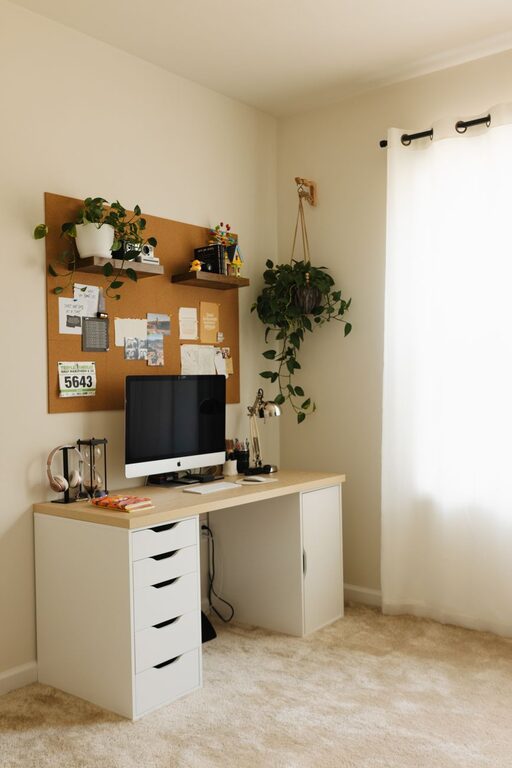
Creating a home workspace that is both cozy and productive can significantly improve your work-from-home experience. Whether you spend a few hours a week or a full workday at home, having a dedicated area that promotes focus and comfort can boost your efficiency and well-being. This guide offers practical tips to help you design a space that feels inviting and keeps distractions at bay.
Choose the Right Location
Consider Natural Light
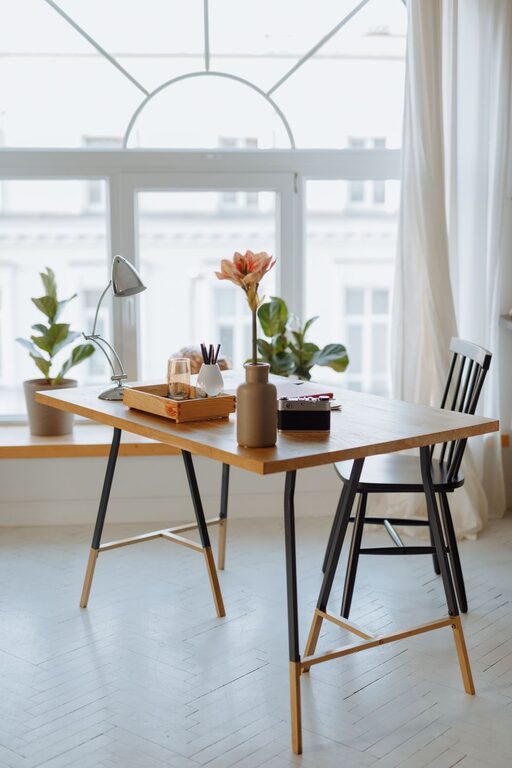
One of the most important factors in setting up a home office is natural light. Position your desk near a window if possible. Natural light can elevate your mood, reduce eye strain, and make your workspace more inviting. Avoid placing your screen directly in front of or behind a bright window to prevent glare.
Pick a Quiet Spot
Aim for a location with minimal noise and distractions. A spare room, corner of a quiet bedroom, or an underused dining area can all work. If your home is busy or noisy, consider investing in noise-cancelling headphones or a white noise machine.
Invest in Comfortable Furniture
Ergonomic Chair and Desk
Your chair and desk are the foundation of your workspace comfort. Choose an adjustable chair with good lumbar support to prevent back pain during long hours of work. The desk should be at a height that allows your arms to rest comfortably while typing, typically at or slightly below elbow level when seated.
Additional Comfort Features
Adding a footrest or a cushioned seat pad can improve comfort. A desk lamp with adjustable brightness can protect your eyes during late hours. Don’t forget to leave enough surface space for your computer, notebooks, and any other tools you use regularly.
Organize and Declutter
Storage Solutions
Keep your workspace neat by incorporating storage options like shelves, drawers, or organizers. Use labeled boxes or containers to hold office supplies so you can find them quickly without cluttering your desk.
Minimalist Approach
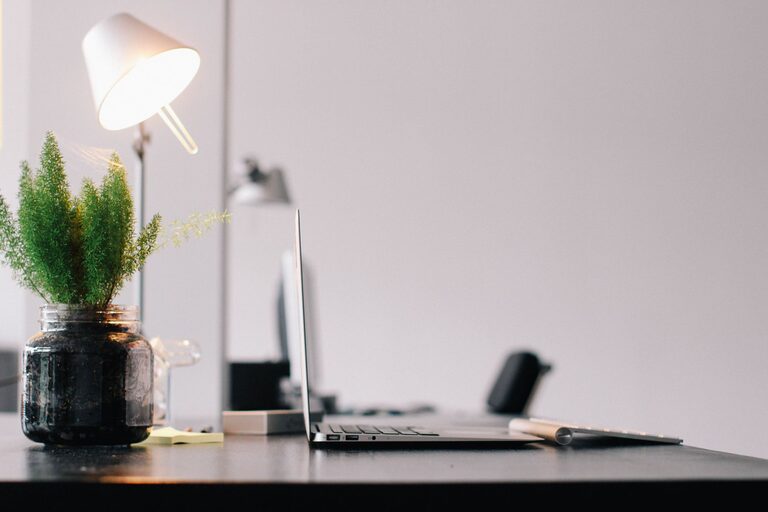
Try to keep only essential items on your desk to reduce distractions. A clean work area helps your mind stay focused and reduces stress.
Incorporate Personal Touches
Add Plants
Plants not only improve air quality but also add a calming, natural element to your workspace. Small succulents or easy-care plants like pothos can brighten the room without demanding too much attention.
Decorate Thoughtfully
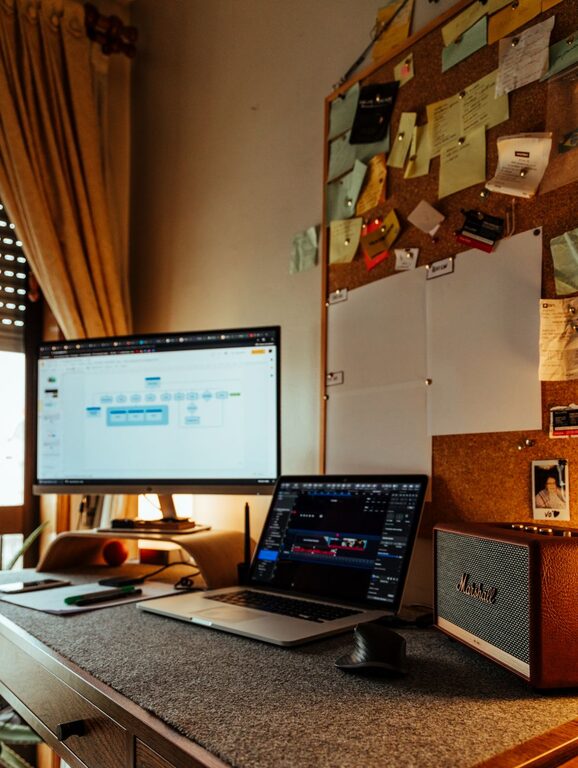
Include a few personal items like photos, artwork, or motivational quotes. These touches make your workspace more inviting but avoid over-decorating, which can be distracting.
Manage Technology Efficiently
Proper Monitor Placement
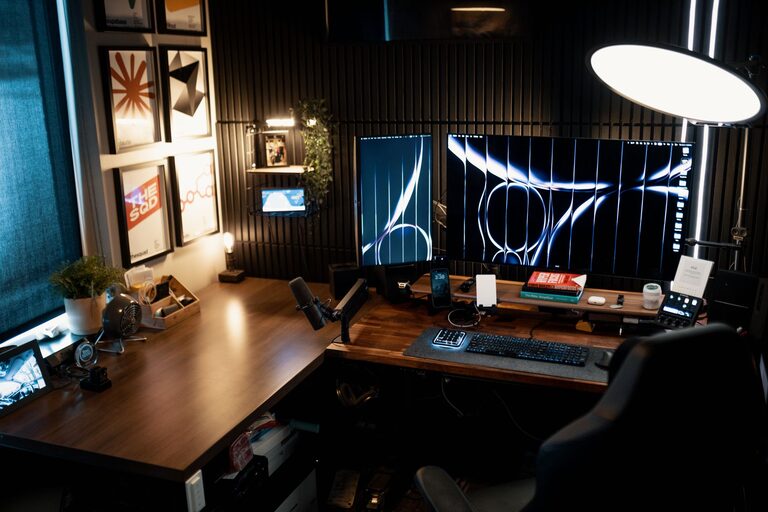
Position your computer monitor at eye level, about an arm’s length away. This setup helps maintain good posture and reduces neck strain.
Cable Management
Use cable clips, sleeves, or ties to keep cords organized and out of sight. A tidy workspace reduces visual clutter and makes it easier to focus.
Establish a Routine and Boundaries
Set Work Hours
Even at home, having defined work hours can help maintain a healthy work-life balance. Inform family members or roommates of your schedule to minimize interruptions.
Take Breaks
Schedule short breaks to stand, stretch, or take a walk. Regular movement revitalizes your mind and body, boosting overall productivity.
Optimize Lighting and Air Quality
Layer Lighting
Combine natural light with task lighting and ambient lighting to create a well-lit workspace. Adjustable desk lamps are useful for focused tasks.
Maintain Fresh Air
If possible, open windows or use an air purifier to keep the air in your workspace fresh. Good ventilation can improve concentration and comfort.
Use Noise Control
Soundproofing Options
If noise is an issue, consider adding rugs, curtains, or acoustic panels to absorb sound. These simple additions can reduce echo and distractions.
Noise-Cancelling Headphones
When soundproofing is not feasible, quality noise-cancelling headphones can help you stay focused in busy environments.
—
Creating a cozy and productive home workspace is about balancing comfort with efficiency. By choosing the right location, investing in ergonomic furniture, keeping your space organized, and personalizing it thoughtfully, you can design an environment that supports your best work. Remember to pay attention to lighting, air quality, and noise control to make your home office a place you look forward to spending time in every day.