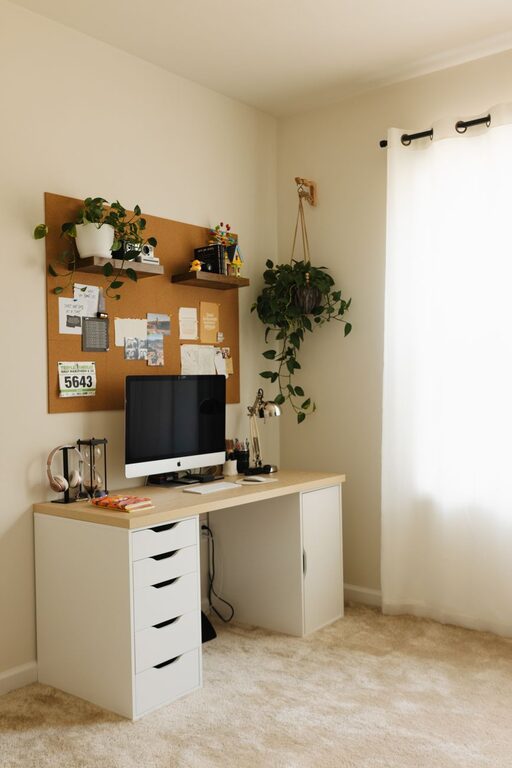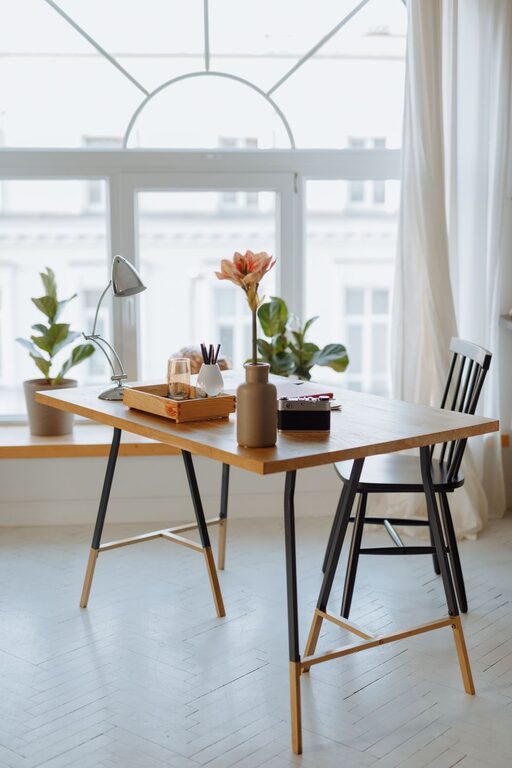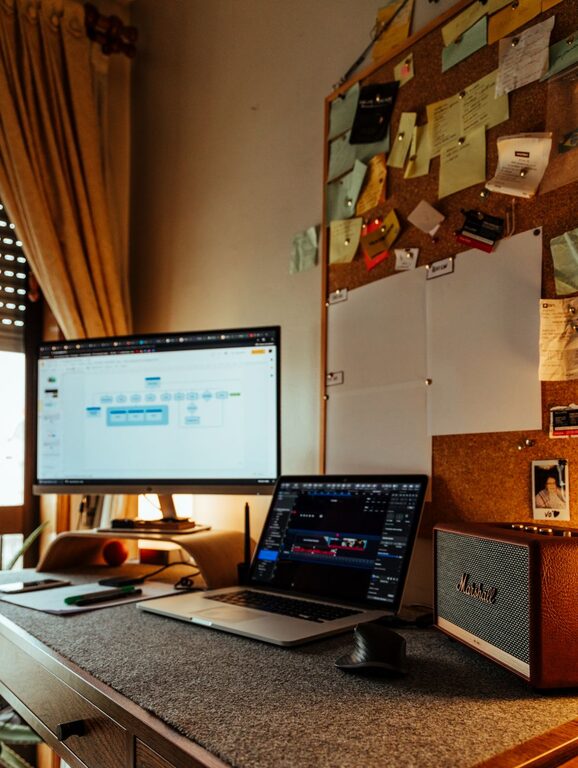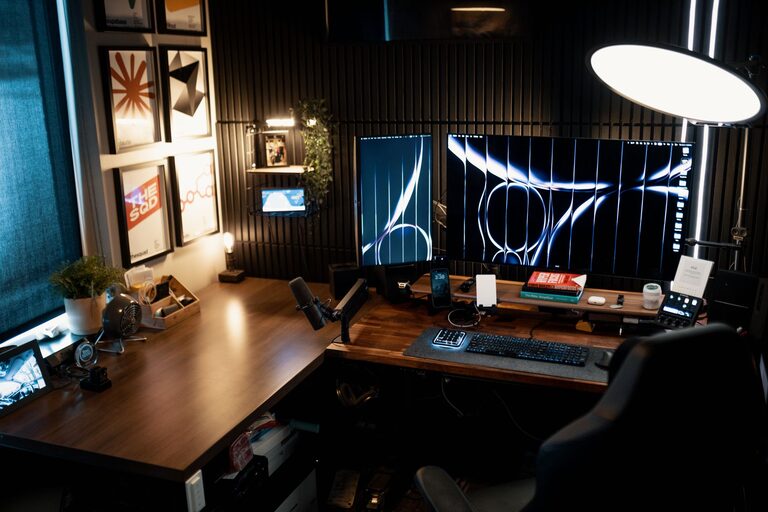
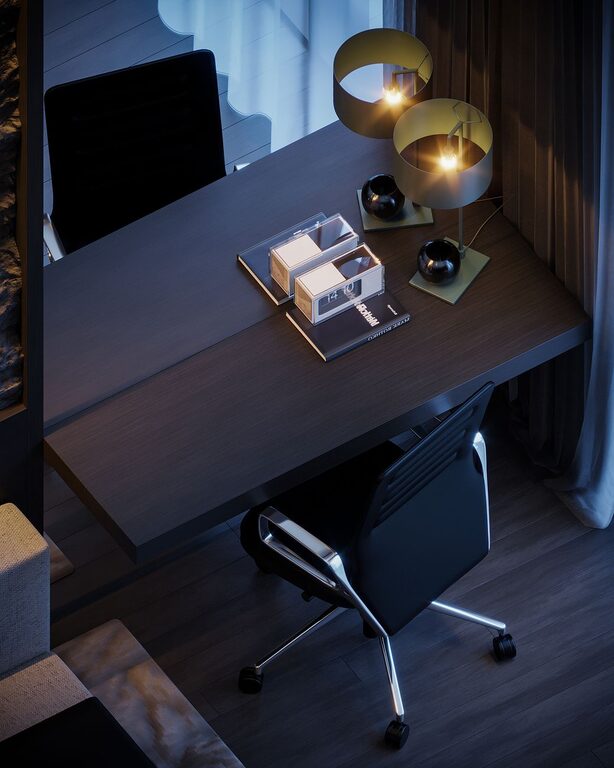
Creating a home office that is both cozy and functional can significantly enhance your work-from-home experience. Whether you have a dedicated room or just a corner in your living space, designing an office that inspires productivity while providing comfort is key. In this post, we’ll explore practical tips to help you create a home office that meets your needs and feels inviting.
1. Choose the Right Location
Selecting the perfect spot for your home office is the foundation of a productive workspace. Consider the following:
– Natural Light: Aim to set up near a window if possible. Natural light can boost mood and reduce eye strain.
– Noise Level: Pick an area with minimal distractions to focus better.
– Space Availability: Even a small nook can be transformed into an efficient office with the right setup.
2. Invest in Comfortable and Ergonomic Furniture
Your furniture should support long hours of work without causing discomfort. Here’s what to keep in mind:
Chair
– Choose an ergonomic chair with adjustable height, lumbar support, and comfortable padding.
– If possible, try before you buy or read reviews focusing on support and durability.
Desk
– The desk height should complement your chair to allow a natural posture.
– Consider options with built-in storage or cable management to keep things tidy.
3. Optimize Lighting
Proper lighting helps reduce eye strain and creates a welcoming atmosphere.
– Use a combination of natural light, overhead lighting, and task lamps.
– Adjustable desk lamps with warm light tones work well for focused tasks.
– Avoid glare on screens by positioning lights thoughtfully.
4. Organize with Purpose
A clutter-free space promotes clarity and efficiency. Try these organization ideas:
– Shelving and Storage: Use bookshelves, filing cabinets, or floating shelves to store documents and office supplies.
– Desk Organizers: Keep your essentials within reach with trays, pen holders, or drawer dividers.
– Cable Management: Use clips or sleeves to prevent tangled cords, enhancing your workspace’s neatness.
5. Personalize Your Space
Adding personal touches can make your office feel inviting and boost motivation.
– Decorate with artwork, photos, or plants that inspire you.
– Choose a color palette that reflects your style but avoids distraction.
– Incorporate soft elements like rugs or cushions to add warmth.
6. Incorporate Technology Wisely
Modern home offices rely on technology to function smoothly.
– Invest in a reliable computer or laptop that suits your work requirements.
– Use noise-cancelling headphones if your environment is noisy.
– Keep essential gadgets like printers or scanners organized and accessible.
7. Maintain Good Air Quality and Temperature
Comfort extends beyond furniture and decor.
– Ensure adequate ventilation to keep the air fresh.
– Use fans, heaters, or air purifiers as needed to maintain a comfortable temperature.
– Adding plants can also improve air quality naturally.
8. Designate Zones for Different Activities
If space allows, separate your office into zones:
– Work Zone: Main desk area for focused tasks.
– Reading or Relaxation Zone: A small armchair or couch for breaks or brainstorming.
– Storage Zone: Dedicated cabinets or shelves for supplies.
Creating distinct zones can help you mentally transition between work and rest, even within the same room.
9. Set Boundaries Between Work and Home Life
To maintain a healthy balance, establish clear boundaries:
– Keep your workspace separate from leisure areas if possible.
– Use physical cues like closing the office door or a desk organizer that signals the start or end of work.
– Schedule regular breaks and stick to defined work hours.
10. Keep It Adaptable
Your home office needs may change over time.
– Choose modular furniture that can be rearranged or expanded.
– Regularly reassess your space and update elements to improve comfort and productivity.
– Stay open to experimenting with layouts and accessories based on your evolving routines.
—
Final Thoughts
Designing a home office that blends comfort with functionality is essential for anyone working remotely or managing tasks from home. By focusing on proper furniture, lighting, organization, and personalization, you can create a space that supports productivity while making you feel relaxed and inspired. Remember, the best home office is one tailored to your unique needs and preferences. Take time to plan and refine your setup to enjoy a workspace that helps you do your best work every day.