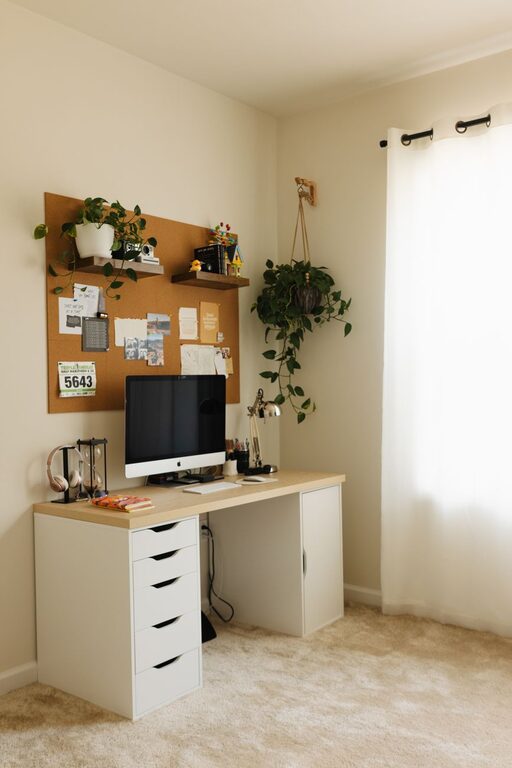
Creating a cozy and inviting home workspace is essential for maintaining productivity while enjoying the comfort of your own environment. Whether you work full-time from home or occasionally need a quiet place to focus, setting up a space that feels warm and motivating can boost your mood and efficiency. In this guide, we’ll explore practical tips to help you design a home workspace that’s both comfortable and inspiring.
Choose the Right Location
Find a Quiet Corner
Start by selecting a spot in your home that is relatively quiet and free from distractions. This could be a spare room, a section of your living room, or even a nook near a window. The key is to find a place where you can concentrate without frequent interruptions.
Consider Natural Light
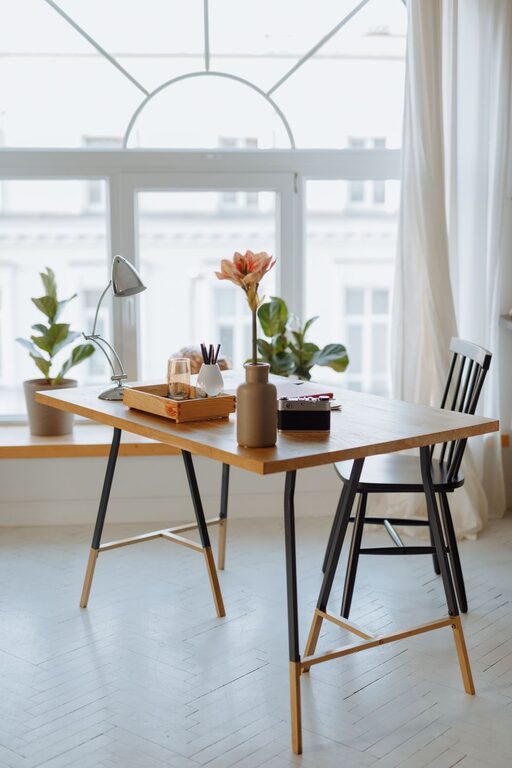
Lighting plays a crucial role in creating an inviting workspace. Set up your desk near a window if possible to take advantage of natural light. Daylight not only improves mood but also helps reduce eye strain.
Invest in Comfortable and Functional Furniture
Ergonomic Chair and Desk
Comfort is essential for long working hours. Invest in an ergonomic chair that supports your back and promotes good posture. Pair it with a desk that fits your workspace needs — whether it’s a standing desk or a traditional one, make sure it’s the right size.
Add a Soft Touch
Consider adding a cozy rug or a cushion for your chair. These simple additions can make your workspace feel warmer and more comfortable.
Personalize Your Workspace
Incorporate Your Style
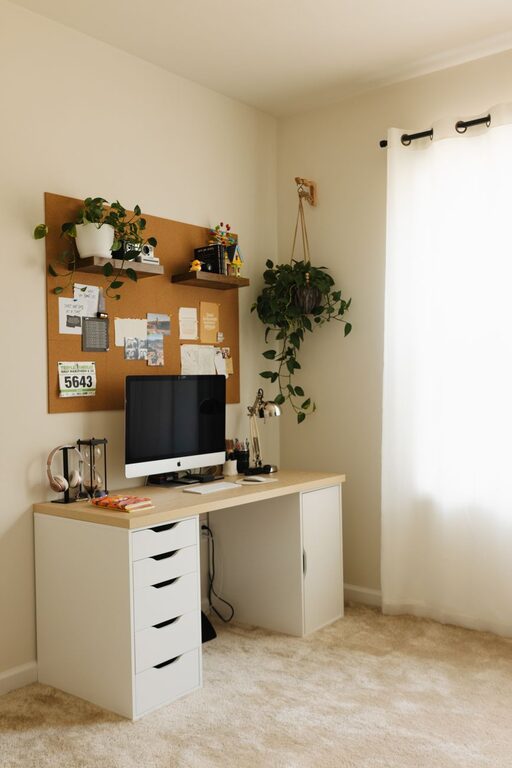
Add personal touches to your workspace to make it feel uniquely yours. This could be through artwork, photos, or decorative objects that inspire you.
Use Your Favorite Colors
Colors can influence mood and productivity. Incorporate shades that make you feel calm and focused, such as soft blues, greens, or warm neutrals.
Keep It Organized
Declutter Regularly
A clutter-free space helps your mind stay clear. Use organizers, trays, or storage boxes to keep papers and supplies in order.
Use Functional Storage
Shelves, filing cabinets, or desk drawers keep necessary items within reach but out of the way. Labeling storage can also save time searching for things.
Incorporate Greenery
Plants not only improve air quality but also add life and color to your workspace. Choose low-maintenance options like succulents, snake plants, or pothos that thrive indoors with minimal care.
Improve Lighting for Evenings and Cloudy Days
Use Warm, Adjustable Lighting
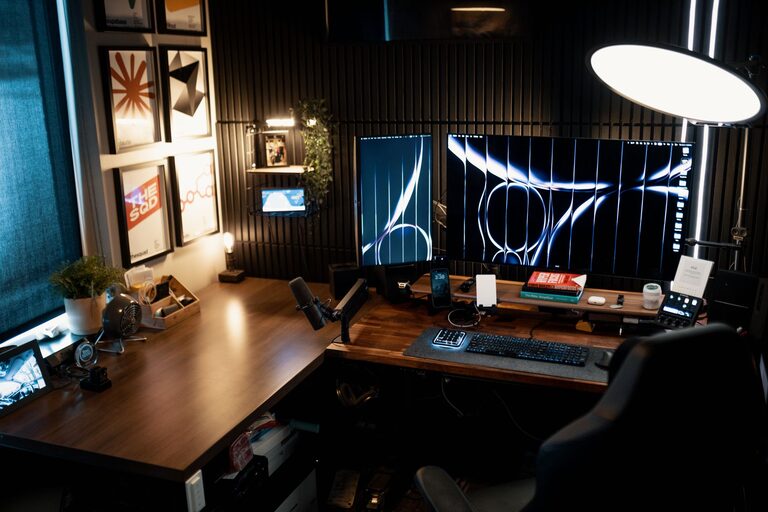
When natural light isn’t available, use desk lamps or overhead lights with adjustable brightness. Warm light bulbs create a cozy atmosphere, reducing eye fatigue.
Consider Task Lighting
Focused lighting helps with detailed tasks, so aim for lamps that can be directed as needed.
Manage Noise Levels
Use Noise-Canceling Headphones or Background Music
If your home is noisy, noise-canceling headphones or light background music can help you concentrate.
Add Soft Materials
Textiles like curtains, rugs, and cushions also absorb sound, contributing to a quieter workspace.
Maintain Good Air Quality
Good ventilation can make your workspace more comfortable. Open windows whenever possible, or use an air purifier to keep the air fresh, especially in smaller or enclosed rooms.
Establish a Work Routine
Creating boundaries between work and relaxation is easier when your workspace invites focus but also feels comfortable. Set regular work hours and take breaks to avoid burnout.
Add Inspirational Elements
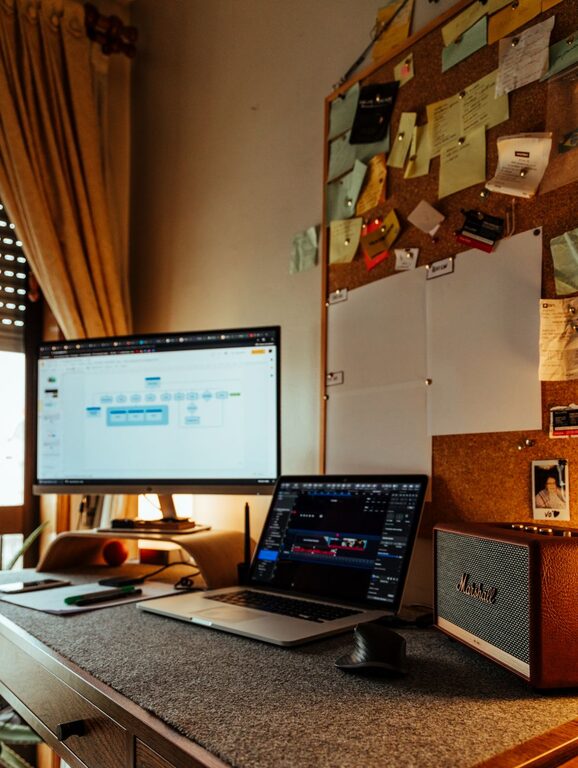
Motivational quotes, vision boards, or items related to your goals can keep you energized throughout the workday.
—
By combining comfort, organization, and personal style, you can transform any space into a cozy and inviting home workspace. Start with these tips and adapt your environment to best suit your needs. A pleasant workspace encourages focus, creativity, and well-being, making your work-from-home experience that much better.