
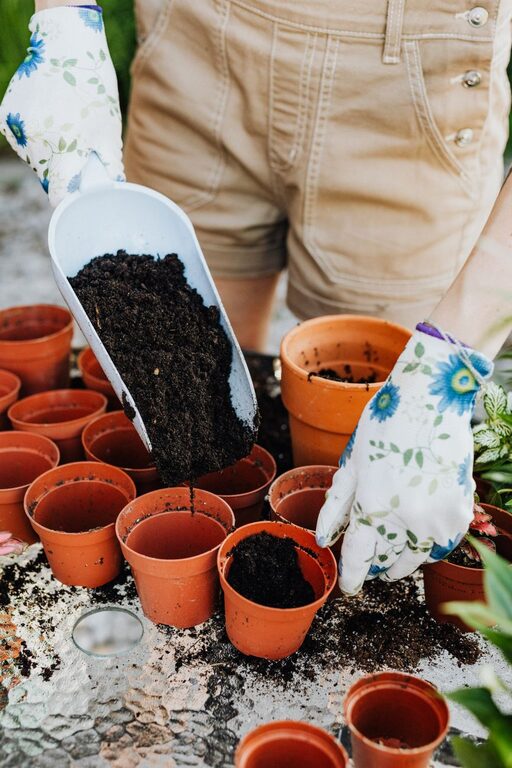
Starting a small home garden is a rewarding way to add beauty to your space, grow fresh herbs and vegetables, and enjoy a relaxing outdoor activity. Whether you have a backyard, a balcony, or just some sunny windowsills, you can create a thriving garden with a little planning and care. This guide covers essential tips for beginners to help you start your small home garden successfully.
Why Start a Small Home Garden?
Gardening offers many benefits beyond just the joy of growing plants. It can improve your mood, provide fresh food, and even reduce stress. Small gardens are especially great for those with limited space or time. They are manageable and can be designed to fit your lifestyle.
Step 1: Choose the Right Location
The first step is to find the ideal spot for your garden. Consider these factors:
– Sunlight: Most plants need at least 6 hours of sunlight per day. Observe where the sun shines in your space.
– Accessibility: Choose a location that is easy to reach for watering and maintenance.
– Soil Quality: If planting directly in the ground, check that the soil drains well and is free from contaminants.
– Space: Measure the area to determine how many plants you can accommodate.
Step 2: Decide What to Grow
Starting small helps you manage your garden without feeling overwhelmed. Think about what plants interest you and suit your environment.
– Herbs: Basil, mint, parsley, and chives grow well in small pots or containers.
– Vegetables: Tomatoes, lettuce, peppers, and radishes are good beginner choices.
– Flowers: Marigolds, pansies, and petunias add color and attract pollinators.
Consider your climate and season when selecting plants to ensure they thrive in your area.
Step 3: Gather Necessary Supplies
Before planting, gather these basic supplies:
– Containers or garden beds: Choose pots, raised beds, or ground plots based on your space.
– Quality soil or potting mix: Use nutrient-rich soil appropriate for your plants.
– Seeds or seedlings: Purchase from a reputable nursery or garden center.
– Watering tools: A watering can or garden hose with gentle spray.
– Gardening tools: Small hand tools like trowels, gloves, and pruners.
Step 4: Prepare Your Garden Space
Whether using containers or garden soil, preparation is key.
– Containers: Make sure pots have drainage holes. Fill them with a good potting mix.
– Garden beds: Clear weeds and debris. Loosen the soil with a garden fork. Mix in compost or organic fertilizer.
– Mark planting spots: Space your plants according to seed or plant instructions for healthy growth.
Step 5: Planting Your Garden
Follow these simple planting tips:
– Follow instructions: Seed packets or plant tags provide specific depth and spacing guidance.
– Plant carefully: Make holes in the soil, place seeds or seedlings gently, and cover with soil.
– Water after planting: Keep the soil moist but not waterlogged. Consistent watering helps seeds germinate.
Step 6: Daily and Weekly Care
Your garden will need attention to thrive.
– Watering: Check soil moisture regularly. Early morning or late afternoon watering reduces evaporation.
– Weeding: Remove weeds to prevent them from competing with your plants.
– Mulching: Adding mulch helps retain moisture and control weeds.
– Fertilizing: Depending on your plants, occasional feeding with organic fertilizer supports growth.
– Pruning and Harvesting: Remove dead or yellow leaves. Harvest herbs and vegetables promptly to encourage new growth.
Troubleshooting Common Issues
Beginners may encounter some problems, but most are easy to fix.
– Pests: Keep an eye out for insects like aphids. Use natural remedies such as soapy water or introduce beneficial insects like ladybugs.
– Yellow Leaves: May indicate overwatering or nutrient deficiency. Adjust watering and consider feeding your plants.
– Poor Growth: Ensure your plants get enough sunlight and proper soil.
Tips for Success
– Start with a few easy-to-grow plants to build confidence.
– Keep a gardening journal to track your plants’ progress and care routines.
– Join local gardening groups or online forums for advice and inspiration.
– Have patience; gardens take time to flourish.
Final Thoughts
Starting a small home garden is an enjoyable and fulfilling project that anyone can do. By choosing the right location, plants, and care routine, you’ll create a green space that brightens your home and nourishes your well-being. Happy gardening!